
Our Mission
Our Approach
To empower growers to thrive with less water.
We support growers’ exploration of dry farming and other water-resilient agricultural practices through collaborative projects, outreach, and education.
Lead with Curiosity, Adaptation & Collaborations
There’s no one-size-fits-all solution to water resilience. Every farm operates within its own mix of constraints — soil type, climate, water access, land tenure, and community context. That’s why we lead with curiosity, flexibility, and deep collaboration.
DFI works alongside growers, agricultural advisors, and researchers to try new things, explore possibilities, and co-create place-based strategies grounded in lived experience. We show up with tools, relationships, and a commitment to learning alongside our community doing this work.
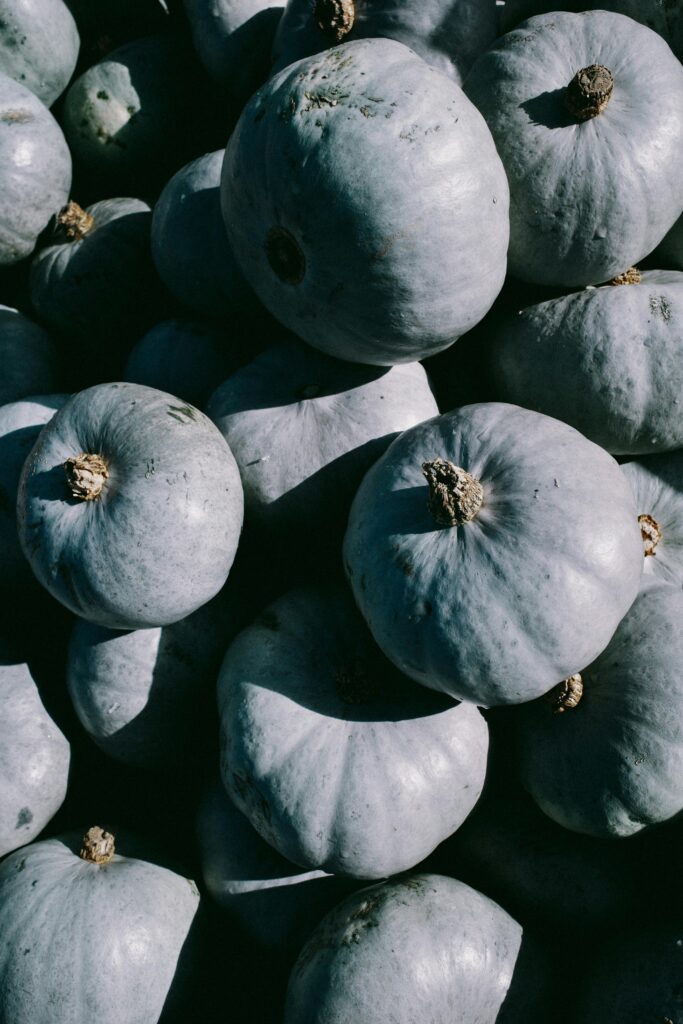
Pathways to Water Resilient Farming:
Our work moves along three interconnected pathways, each one reinforcing the others.
Outreach & Education
Inviting growers and supporters to get excited about what’s possible through storytelling, resources, and accessible entry points to dry farming and water-resilient practices.
Technical Skills & Connections
We partner with growers, agricultural advisors, and researchers, primarily in the maritime Pacific Northwest, to co-create low-input, water-resilient solutions that fit local contexts and challenges.
Demonstrations & Research
Our farm sites serve as living laboratories for hands-on experimentation and educational demonstrations. From crop variety trials and seed stewardship to soil health and water conservation strategies, our land-based work generates practical insights that ground and inform all we do.
What We’re Doing Now
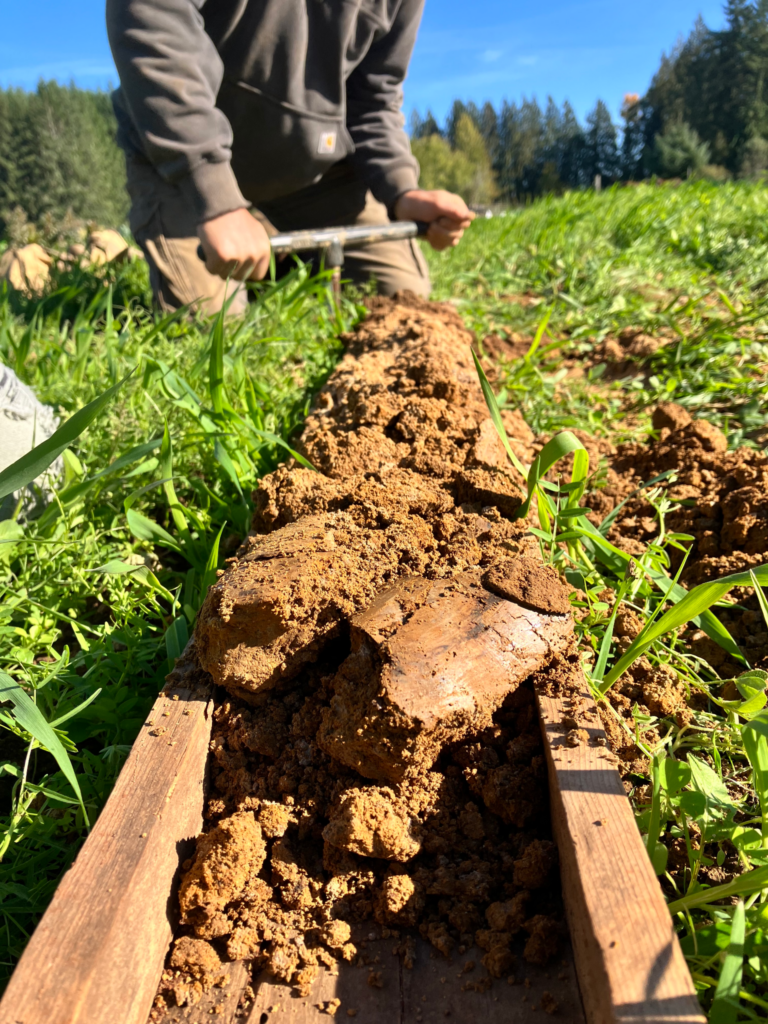
Water Resilience Toolkit Launching Summer 2026. Based on over a decade of collaborative participatory research and lessons from six Pacific Northwest farms, DFI is developing a practical, grower-centered Water Resilience Toolkit. It’s designed to be a flexible guide to help growers explore and implement water-resilient strategies on their own land. It meets growers where they are, whether they’re considering eliminating irrigation entirely or simply looking for ways to use less water.
Water Resilience Case Studies In 2024, DFI partnered with six farms across the Pacific Northwest to document water-resilient strategies employed by real growers in their unique growing contexts— from a tribal food sovereignty program in Logsden, OR, to a farm growing for a food bank in Grants Pass, to university farms in Seattle and Bellingham. These stories celebrate growers as explorers and knowledge-keepers for their communities.
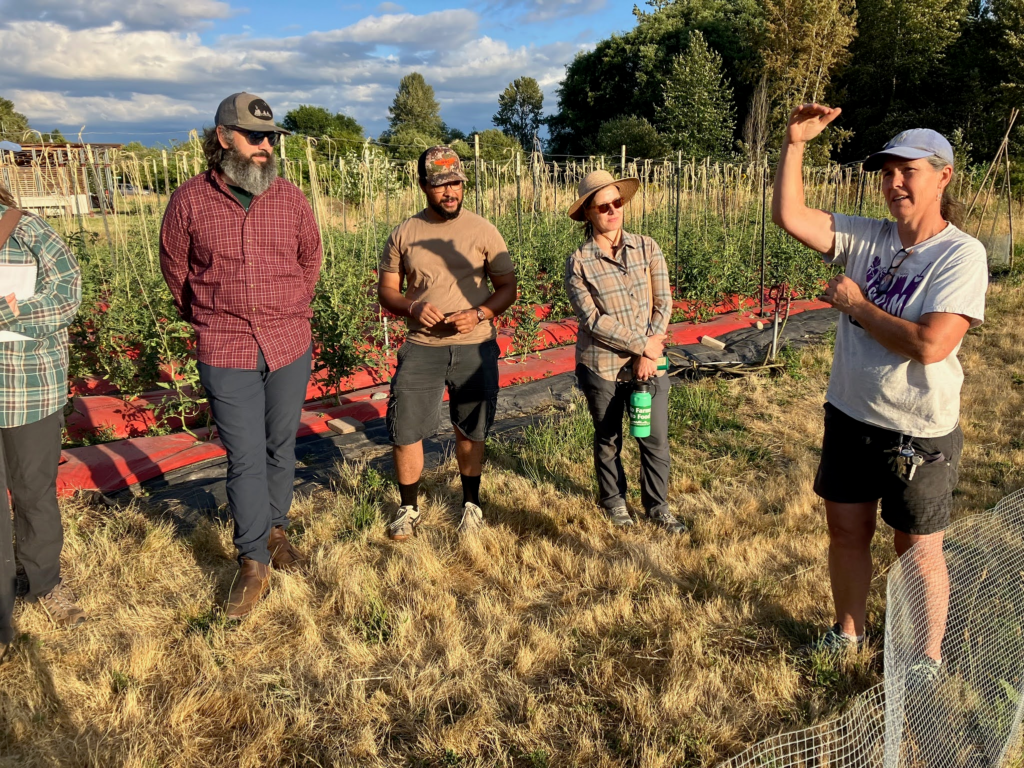
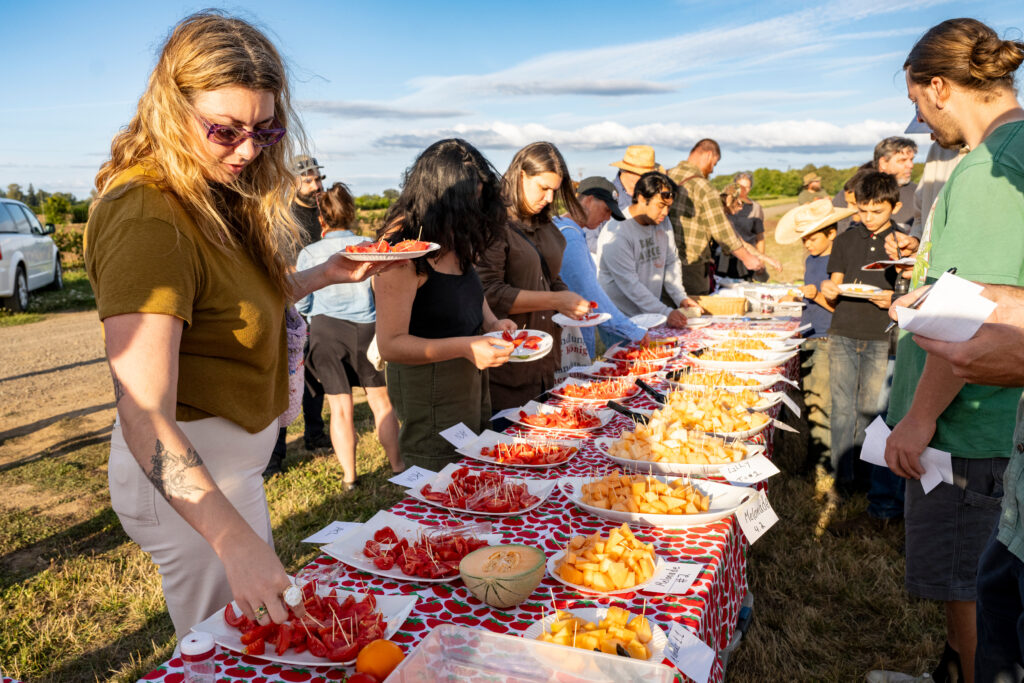
The Dry Farming Collaborative Nearly 2,000 growers, researchers, educators, and advocates learning alongside each other, season after season. DFI convenes and supports the Collaborative through the annual Winter Convening, regional field tours, seed exchange networks, and peer learning circles.
Dry Farming Resources Free, publicly accessible tools for growers, consumers, and educators, including:
- Dry Farming Seed Directory: a curated list of crop varieties that perform well under dry-farmed or minimally irrigated conditions
- Dry-Farmed Produce Directory: connecting producers with consumers and markets
- Exploring Dry Farming Potential in Oregon: a starting point for understanding your site’s characteristics
- Dry Farming Zine: an accessible introduction to dry farming in the Pacific Northwest
What We’ve Built
The following projects demonstrate DFI’s capacity to design and deliver complex, multi-partner initiatives and the relationships and trust we’ve built across the region.
Western Water Resilience Collaborative 2023–2024 Through a partnership with American Farmland Trust, Oregon State University Extension, Washington Water Trust, the USDA Climate Hubs, and the Oregon Climate and Agriculture Network, DFI provided tailored technical assistance to small farms across Washington, Oregon, and California. We documented six farm case studies, developed the Water Resilience Toolkit, and built a cross-regional peer learning network of agricultural service providers.
Seed to Table Colaborative Market Development: DFI continues to work with partners to build the infrastructure needed to make dry farming a viable market opportunity for growers, from identifying the most promising crops and cultivars to educating consumers and retailers about the benefits of dry-farmed production for stewardship and flavor. This work continues through our Seed Directory, Produce Directory, and partnership with the Culinary Breeding Network.
Where We’re Headed
The need for water-resilient agriculture continues to expand.
Here’s what we’re working toward:
- A national and international network of dry farmers demonstrating soil and water stewardship
- An expanded case study library across more regions, crops, and farm contexts
- Continued peer learning workshops for agricultural advisors across the West Coast
- Land-based demonstration sites where growers can see water-resilient practices in action
DFI is actively seeking funding and partnership opportunities to continue and expand this work.